Residential
Roofing for your house
Replacement, repair, maintenance and gutters for houses, garages and outbuildings across the Portland metro. If you own the house and aren't sure yet what the roof needs, start here.
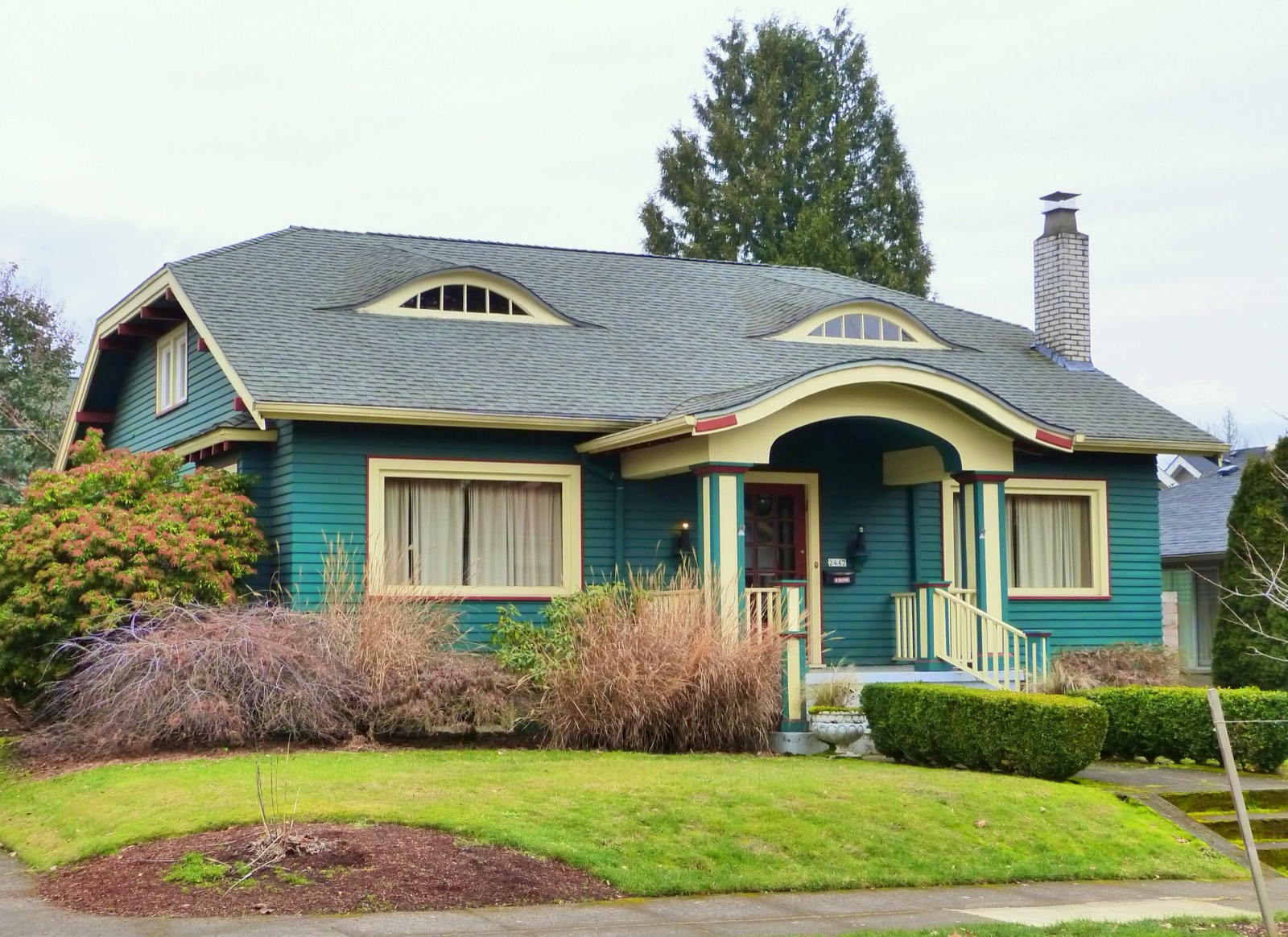
Four kinds of work on a house
Almost everything a house roof needs falls under one of these. If you can't tell which, that's normal, and it's what the estimate visit is for.
All services, including commercial- Read more
Roof replacement
Tear-off to deck, new underlayment, flashing and ventilation, and a shingle roof built for a wet Oregon winter.
Usually when The roof is near the end of its life, or leaking in more than one place.
- Read more
Roof repair
Leaks, lifted or missing shingles, failed flashing and storm damage, found at the source and fixed to match.
Usually when One leak, a storm, a missing shingle, a cracked pipe boot.
- Read more
Roof maintenance
Moss treatment, debris clearing and a close inspection, so small problems are caught before they reach the ceiling.
Usually when The roof is sound and you want it to stay that way: moss, needles, a yearly look.
- Read more
Gutter systems
Seamless gutters and downspouts sized for Northwest rain, pitched to drain and hung to carry the load.
Usually when Gutters overflow, pull away from the fascia or dump water beside the foundation.
Repair or replace?
Roofs rarely fail all at once. They wear out slope by slope, and the real question is whether a repair buys years or just buys time until the next leak. These are the signs we weigh, and which way each one usually points.
-
One leak, in one place
RepairUsually a pipe boot, a flashing detail or a single damaged shingle.
-
Shingles missing or lifted after a windstorm
RepairWind broke the seal on a few courses. The rest of the roof may be fine.
-
A ceiling stain
RepairWater getting in somewhere up-slope of it, not necessarily right above.
Repair: once the source is found.
-
Moss on the roof
MaintenanceIt holds water against the shingles and lifts their edges as it grows.
Maintenance: if caught early.
-
Soft or springy decking underfoot
DependsWet or rotted sheathing under the shingles.
Depends: one area can be cut out; widespread means replace.
-
Heavy granule loss, dark bare patches
ReplaceThe shingles' weather surface is wearing off. A little grit from a brand-new roof is normal; a lot from an old one isn't.
-
Curling, cupping or brittle shingles
ReplaceShingles past their life. South and west faces usually go first.
-
Leaks in several places, or the same leak back
ReplaceWear across the whole roof rather than one failure.
-
Past its typical life with no trouble yet
Depends3-tab lasts about 15–20 years, architectural about 25–30. After that it's borrowed time.
Depends: have it looked at yearly and plan ahead.
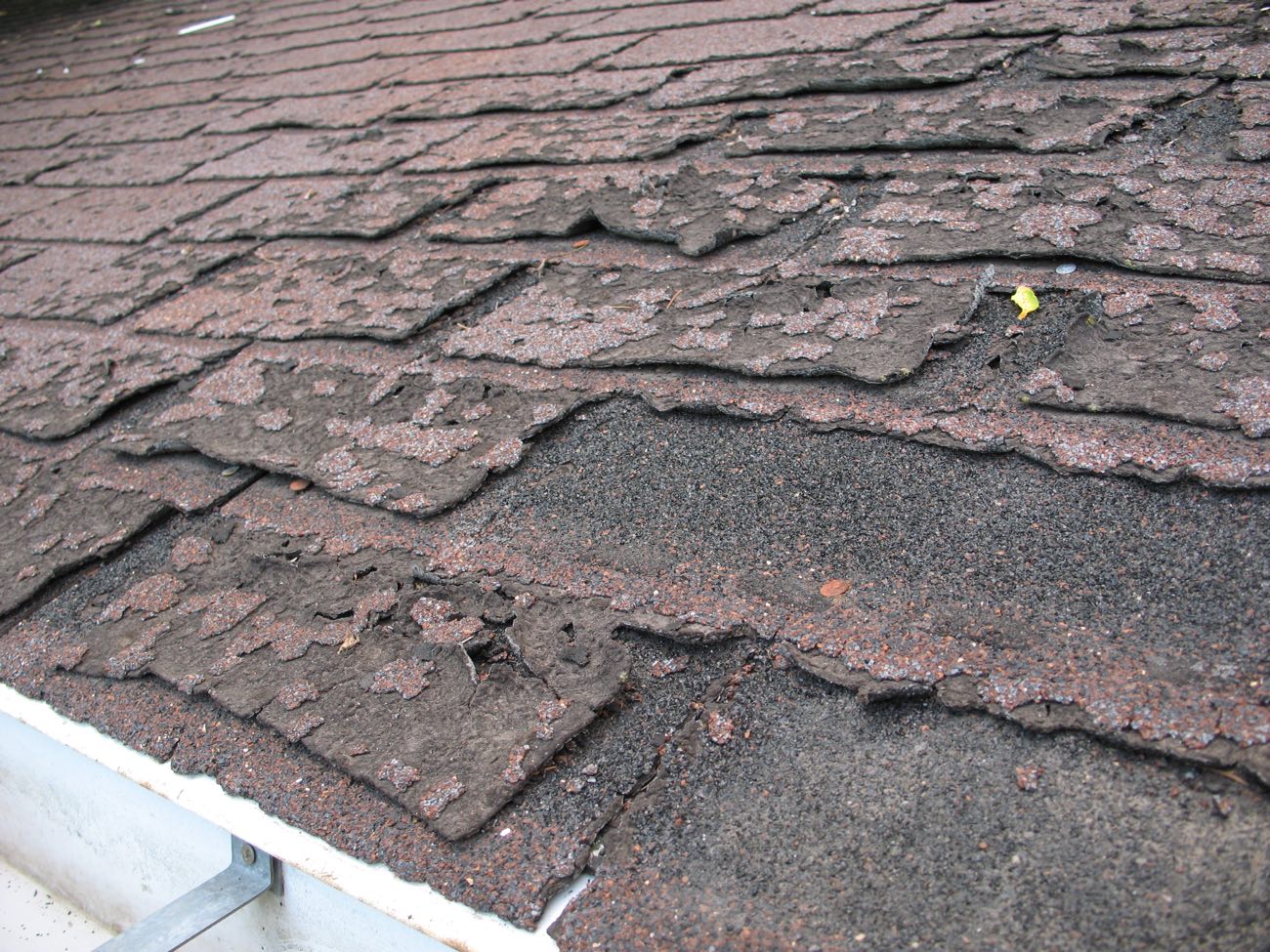
If the problem is in one place and the rest of the roof has years left, repair it. If the same wear shows up all over, repairs end up chasing it. When it's close, we'll tell you it's close and price both.
What an Oregon roof is up against
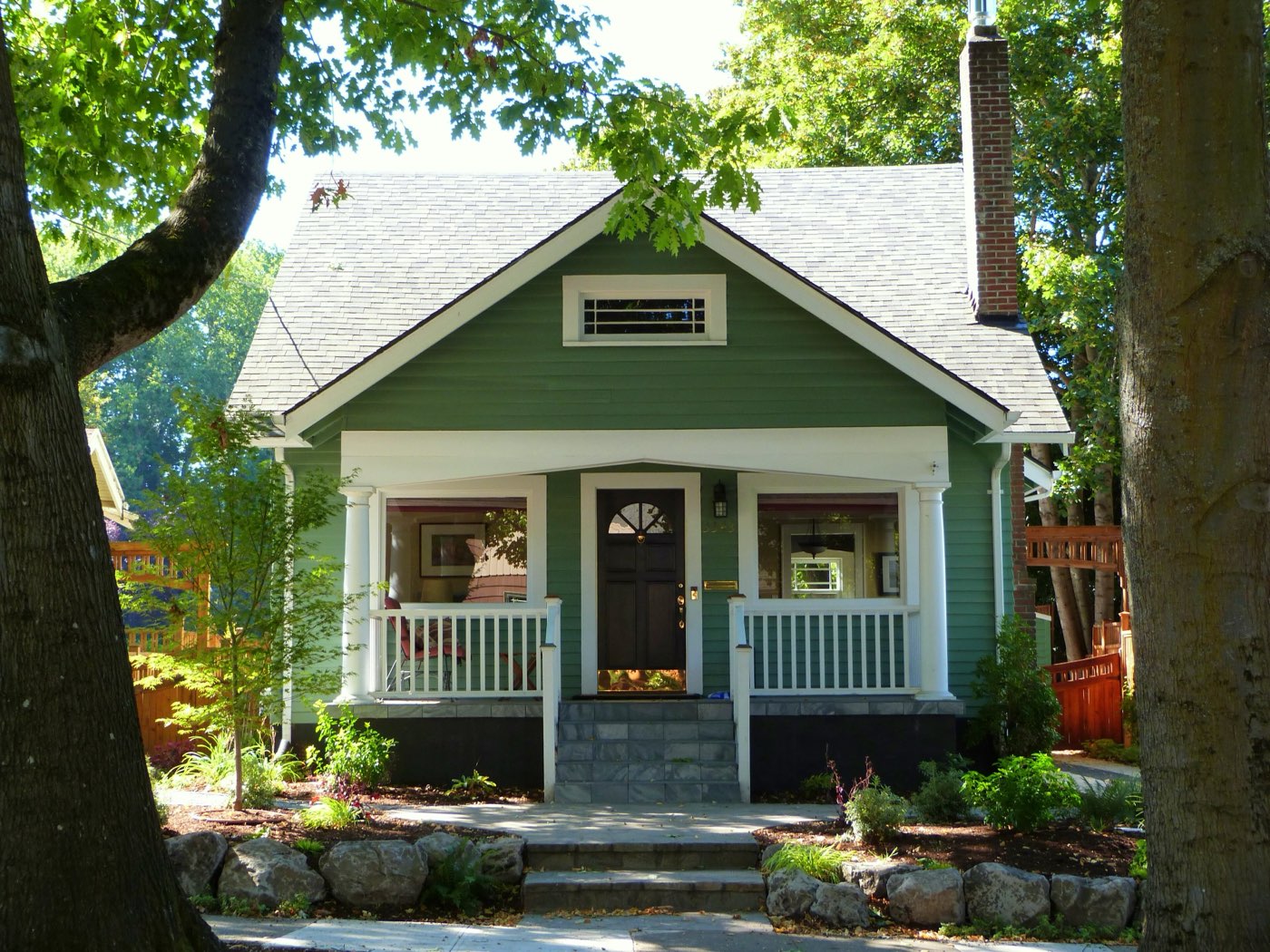
West of the Cascades, roofs don't usually fail from heat or hail. They fail slowly, from water that never quite leaves.
- A long wet season
- From October well into spring, a roof here can go weeks without drying out. A small gap that would never matter in a dry climate gets months to soak in.
- Moss and lichen
- Moss roots into the granules, holds water like a sponge and pries shingle edges up as it grows. Shade and a north slope are all it needs.
- Fir needles and debris
- Needles and cones pile up in valleys, behind chimneys and in gutters, and hold water exactly where a roof is most likely to leak.
- Wind-driven rain
- Winter storms push rain sideways and even uphill, under shingle laps and behind flashing. That's what sealed starter strips and ice-and-water shield are for.
- Ice storms and east wind
- Some winters, cold air pours out of the Gorge. Ice brings limbs down onto roofs and gutters, and east wind lifts shingles that have lost their seal.
- North slopes that stay damp
- They grow moss first and dry out last, while south and west faces bake in August. One roof often wears out on two schedules.
Which shingle holds up to all that, and which roofs need membrane instead.
How the free estimate works
One visit to the house. You'll hear what we found and what we'd do before we leave, and the written estimate follows.
-
Tell us what you're seeing
Call or send the form: the problem, roughly how old the roof is, and photos if you have them.
-
We come out and look
From the ground, on the roof if it's safe to walk, and in the attic if there's a hatch. The attic often tells us more than the shingles.
-
We show you what we found
Photos of what you can't see from the yard: the pipe boots, the valleys, the flashing at the chimney, the underside of the deck.
-
You get it in writing
An itemized estimate that says what we'd do and with what. If a repair and a replacement are both reasonable, we'll lay out both.
What helps us help you
None of this is required. Each one saves a question.
- The roof's age, if you know it, and what's on it now.
- Where and when it has leaked, and any repairs since.
- A clear path to the attic hatch.
- HOA rules on roof color or material, if you have an HOA.
- Whether an insurance claim is already open.
Start with a look at the roof
Tell us what you're seeing, or just how old the roof is. We'll come out, show you what we find and write it down. The estimate is free.